
By Rhiannon’s Pet Sitting Services | Cambridge Pet Sitting Blog.
Have you ever wondered what your cat’s tail flick means, or why your dog suddenly zooms around the garden? Our pets may not speak our language, but they’re always communicating in their own unique ways. As a trusted Cambridge pet sitting provider, I’ve spent lots of time observing all kinds of animal behaviours—from cats and dogs to rabbits, reptiles, and horses. Understanding what these behaviours mean can help us become better companions for the animals we love.
1. Cats: The Body Language Experts
Cats communicate a lot with their tails, ears, and posture. A slow blink means trust, while a swishing tail might mean irritation or excitement. If your cat suddenly hides or becomes vocal, they may be feeling anxious or overstimulated. During my pet sitting visits, I always let the cat set the pace—whether they want cuddles or just quiet company.
2. Dogs: Social, Sensitive, and Sometimes Silly
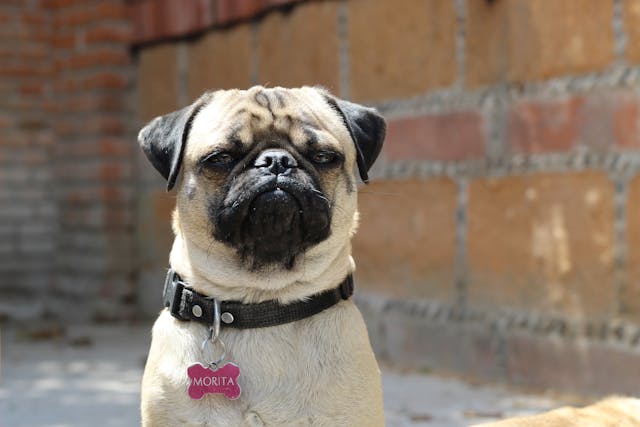
Dogs love human attention, but they also have their own comfort zones. Tail wags, for example, don’t always mean a happy pup—it depends on the speed and height of the wag. Panting, yawning, or lip-licking can be signs of stress. When walking dogs around Cambridge or caring for them at home, I always pay close attention to their body language so they feel secure and understood.
3. Small Animals: Subtle but Social
Rabbits, guinea pigs, and hamsters may not be as loud as cats or dogs, but they have clear ways of showing how they feel. Thumping, hiding, or going off food can be signs of fear or illness. That’s why I take the time to quietly observe and gently interact during every visit—especially for shy pets.
4. Reptiles: Calm Creatures with Clear Signals
Reptiles like geckos or snakes have different ways of communicating. Hiding too much, refusing food, or becoming overly active can be signs that something’s off—either in their environment or wellbeing. I always follow their usual routine and ensure their enclosures stay clean and comfortable.
5. Horses: Big Emotions, Bigger Hearts
Horses are expressive and intelligent animals. Pinning ears, swishing tails, or shifting weight can mean discomfort or agitation. As someone with experience handling mares, geldings, and foals, I always approach with calmness and care, watching their cues closely.
Why Behaviour Matters in Pet Sitting
When pets stay at home in their familiar environment—as they do with Rhiannon’s Pet Sitting Services—it reduces stress and helps them stay relaxed and happy. But no two pets are the same. Understanding behaviour is key to offering personalised care, spotting early signs of illness or distress, and building trust with every visit.
Whether you're booking care for a weekend away or a longer trip, I make it my mission to treat your pets with patience, kindness, and the attention they deserve—because I know how much they mean to you.
Looking for trusted Cambridge pet sitting for your furry, feathered, or scaly friend? Let’s chat! I’d love to meet your pets and create a care plan that keeps them happy at home.